https://understandingdiabetes-levels.blogspot.com/

Wednesday, May 31, 2023

Home Remedies for Managing Blood Sugar Levels: Natural Approaches for Diabetics

Natural Approaches for Diabetics

 For individuals with diabetes, managing blood sugar levels is crucial for maintaining overall health.

In addition to prescribed medications and lifestyle modifications, some natural home remedies may offer additional support in controlling blood sugar levels.

In this article, we will explore a variety of home remedies that have shown promise in helping individuals with diabetes manage their condition.

It's important to note that these remedies should not replace medical advice or prescribed treatments.

Always consult a healthcare professional before changing your diabetes management plan.

Hydration and Blood Sugar

Staying adequately hydrated is essential for overall health and may also play a role in managing blood sugar levels.

Drinking water regularly can help rehydrate the blood, potentially lowering blood sugar levels and reducing the risk of diabetes [1].

Aim to drink adequate water throughout the day and consider it a primary beverage choice, especially over sugary drinks.

H2: Natural Remedies for Blood Sugar Management

While several natural remedies have been studied for their potential benefits in managing blood sugar levels, it's important to note that their effectiveness may vary among individuals. Here are some common natural remedies that have shown promise:

Cinnamon

Cinnamon, a spice with antioxidant properties, has been studied for its potential to improve insulin sensitivity and lower blood sugar levels. It may also help reduce fasting blood sugar levels in individuals with type 2 diabetes.

Adding cinnamon to your diet can be as simple as sprinkling it on oatmeal and yogurt or adding it to baked goods in moderation.


Fiber

A high-fiber diet, including whole grains, legumes, fruits, and vegetables, has been associated with improved blood sugar control.

Fiber can slow down glucose absorption and contribute to better glycemic control. To support blood sugar management, aim for various fiber-rich foods in your meals and snacks.

Apple Cider Vinegar

Apple cider vinegar has been studied for its potential to improve insulin sensitivity and reduce post-meal blood sugar levels.

While research is ongoing, adding a small amount of apple cider vinegar to salads or diluting it in water and consuming it before meals may be worth considering. However, using it in moderation and discussing it with your healthcare provider is essential.

Exercise and Stress Reduction

Regular physical activity, such as aerobic exercise and resistance training, can help improve insulin sensitivity, lower blood sugar levels, and contribute to overall diabetes management.

Stress reduction techniques like mindfulness, meditation, and deep breathing exercises can help manage stress, positively impacting blood sugar control.


While natural remedies may provide additional support in managing blood sugar levels, it's important to remember that they should complement a comprehensive diabetes management plan under healthcare professionals' guidance. Always consult your healthcare provider before incorporating new remedies or significantly changing your diabetes management routine.

Diabetes is a complex condition, and individual responses to home remedies may vary. Regular blood sugar monitoring, adherence to prescribed medications, and a healthy lifestyle, including a balanced diet and regular exercise, remain the cornerstones of diabetes management.

Sunday, May 28, 2023

Green Veggie Inflames Blood Sugar


Green Veggie Inflames Blood Sugar

In nutrition, we often expect our fruits and vegetables to be the shining knights of good health for a good reason. They are loaded with vitamins, minerals, and fiber, all key components of a healthy diet.

However, recent research suggests that one green vegetable might not be as virtuous as we once believed, especially for those with blood sugar concerns Bite-size-guides. This article aims to explore this counterintuitive finding, shedding light on how a particular green vegetable might inflame blood sugar levels.

The green vegetable under scrutiny is the common garden pea. Peas have long been a staple food worldwide, known for their high protein content among legumes.

Yet, new studies indicate a potential downside: peas might contribute to elevated blood sugar levels, which can be problematic for people with diabetes or pre-diabetes conditions.

Peas are high in starch, a carbohydrate that breaks down into glucose (sugar) in the body. The body uses this glucose for energy, but excess glucose can increase blood sugar levels.

While all starch-rich foods have this potential, peas present a particular issue due to their high glycemic index (GI). This GI rating measures how quickly a food causes blood sugar levels to rise after eating.

Foods with high GI values cause a rapid increase in blood sugar levels, potentially contributing to the development or worsening of diabetes.

In addition to their high GI, peas are often consumed in larger quantities than other vegetables due to their relatively small size and the perception that they are entirely healthy. This larger serving size can increase blood sugar levels, creating a "double whammy" effect.


However, it's crucial to note that this is not an indictment against peas or other starchy vegetables. Instead, it's a reminder of the importance of moderation and balanced nutrition.

While peas contain beneficial nutrients like protein, vitamin K, and manganese, they should be eaten in moderation, especially by individuals with blood sugar concerns.

For those with diabetes or pre-diabetes, it's vital to discuss dietary changes with a healthcare professional. Switching out peas for low-GI vegetables, like leafy greens or bell peppers, might be a beneficial strategy.

Alternatively, pairing peas with protein or fat can slow the release of glucose, mitigating the impact on blood sugar levels.

In conclusion, while peas might not be as innocuous as once believed, they're not necessarily a villain in our diet.

They remain a nutritious option, but like all foods, they should be consumed mindfully, especially by those monitoring their blood sugar levels.

The key takeaway here is the importance of a balanced diet, an understanding of the GI values of different foods, and the role of portion control in managing blood sugar levels.

Saturday, May 27, 2023

Managing Blood Sugar Levels

 According to the IDF Diabetes Atlas Tenth Edition 2021, about 537 million adults aged 20-79 have diabetes worldwide.

This figure shows the massive global impact of diabetes and underscores its status as a significant public health concern See More Here.

Furthermore, the number of people living with diabetes will increase substantially in the coming decades.

By 2030, the total number of people living with diabetes will rise to 643 million. 2045 this figure is projected to reach 783 million.

These trends underscore the urgency of increased efforts to prevent and manage diabetes worldwide.

What Is Diabetes

Diabetes is a chronic disease that occurs when the pancreas can no longer produce insulin or the body cannot effectively use the insulin it produces.

Insulin is a hormone made from the pancreas. It acts as a key to letting glucose from the food we eat pass from the bloodstream into the cells in the body to produce energy.

When the body cannot effectively use insulin, this leads to elevated glucose levels in the blood, a condition known as hyperglycemia.

Over time, hyperglycemia can damage the body's systems, leading to various complications related to diabetes and what to do.

In light of this information, it is clear that a comprehensive approach to diabetes prevention and management is crucial.

This includes improving awareness about the risk factors and symptoms of diabetes, promoting healthy lifestyle choices, and ensuring that people with diabetes have access to the care and treatment they need.


Diabetes is a group of metabolic diseases characterized by high blood sugar levels over a prolonged period. The two primary types of diabetes are Type 1 and Type 2.

Type 1 diabetes, also known as juvenile diabetes or insulin-dependent diabetes, is an autoimmune condition.

This means that the body's immune system mistakenly attacks and destroys the insulin-producing beta cells in the pancreas.

As a result, the body produces little or no insulin. People with Type 1 diabetes must take insulin daily to stay alive. The exact cause of this immune reaction is still unknown. Find out more at Healthline

However, Type 2 diabetes, also known as adult-onset or non-insulin-dependent diabetes, is a metabolic disorder. It's characterized by high blood sugar, insulin resistance, and a relative lack of insulin.

This form of diabetes is often associated with older age, obesity, family history of diabetes, physical inactivity, and certain ethnicities.

In the early stages, the predominant abnormality is reduced insulin sensitivity, characterized by elevated insulin levels in the blood. As the disease progresses, insulin production is decreased [1].


Symptoms Of Diabetes


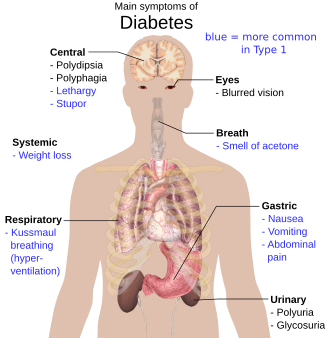
The symptoms of diabetes can vary depending on how much your blood sugar is elevated. However, common symptoms include frequent urination, increased thirst and hunger, weight loss, fatigue, blurred vision, slow-healing sores, and frequent infections.

Unfortunately, the second search result does not provide any additional information that can be referenced.

For a comprehensive understanding of diabetes, its types, symptoms, causes, diagnosis, and treatment options, it's advised to consult authoritative health sources or medical professionals.


Treatment for diabetes

Diabetes treatment will vary depending on the type of diabetes you have. However, all types of diabetes require some treatment to control blood sugar levels.

Type 1 diabetes is treated with insulin injections. Insulin is a hormone that helps your body use glucose for energy. People with type 1 diabetes must take insulin injections every day.

Type 2 diabetes can be treated with diet, exercise, and medication. Some people with type 2 diabetes may also need to take insulin injections.

Gestational diabetes is usually treated with diet and exercise. However, some women with gestational diabetes may also need insulin injections.

Living with diabetes

Living with diabetes can be challenging, but living an everyday and healthy life with proper management is possible. Working with your doctor to develop a treatment plan that is right for you is crucial. You should also make lifestyle changes to help control your blood sugar levels. These changes may include:

  • Eating a healthy diet
  • Exercising regularly
  • Maintaining a healthy weight
  • Getting regular checkups

These tips can help you manage your diabetes and live a long and healthy life.

Home

This is the Home content.

Sunday, April 30, 2023

Managing Diabetes: A Comprehensive Guide to Blood Sugar and Heart Health

Diabetes Blood Sugar

Diabetes is a chronic condition that affects millions of people worldwide. Proper blood sugar management and heart health are crucial to living well with diabetes.

In this guide, we will discuss the importance of blood sugar management, the risks of low blood sugar, and the connection between diabetes and heart health.

Blood Sugar Management in Diabetes

Blood sugar management is a critical aspect of living well with diabetes. Maintaining healthy blood sugar levels helps prevent complications and improve overall health for individuals with this chronic condition.

Adequate blood sugar management involves understanding the factors that influence glucose levels, recognizing the symptoms of high and low blood sugar, and taking appropriate measures to maintain an optimal range.


Regular monitoring of blood sugar levels enables individuals with diabetes to make informed decisions about their diet, exercise, and medication routines.

It is essential to be prepared for potential fluctuations in blood sugar, especially during physical activity.

Consuming a small snack if blood sugar is below 90 mg/dL (5.0 mmol/L) before exercise, staying hydrated, and monitoring glucose levels during and after exercise are crucial steps in preventing hypoglycemia.

Recognizing the symptoms of low blood sugar and knowing how to respond is essential for managing diabetes.

In the case of hypoglycemia, consuming four ounces of fruit juice, regular soda, or four pieces of hard candy is recommended, and then re-checking blood sugar levels after 15 minutes.

This process should be repeated until blood sugar levels reach at least 70 mg/dL, followed by a snack if the next meal is more than an hour away. The following is to prevent complications in individuals with diabetes.

The Importance of Monitoring and Maintaining Healthy Blood Sugar Levels

Maintaining healthy blood sugar levels is crucial for individuals with type 1 or 2 diabetes. Regular blood sugar monitoring enables you to understand the factors that affect your glucose levels, such as diet, medication, and physical activity.

Keeping your blood sugar levels within your target range can prevent or delay long-term, serious health complications like heart disease, vision loss, and kidney disease.

In addition to safeguarding your physical health, maintaining healthy blood sugar levels can improve your overall well-being by boosting your energy and mood. By regularly monitoring your blood sugar and implementing lifestyle changes, you can effectively manage your diabetes and lead a healthier, more fulfilling life.

High blood sugar, or hyperglycemia, is a significant health concern for individuals with diabetes. Symptoms may manifest when blood sugar levels rise above 180 to 200 mg/dL (10 to 11.1 mmol/L).

These symptoms can develop gradually over several days or weeks, and the more extended blood sugar levels remain elevated, the more severe the consequences may become.

Hyperglycemia can affect people of all ages and presents various symptoms, including excessive thirst, hunger, fatigue, and an increased need to urinate.

High blood sugar can lead to severe complications, such as heart disease, eye damage, and kidney problems if left untreated for extended periods.

Managing blood sugar levels is crucial for preventing these complications and maintaining overall health in individuals with diabetes. Proper monitoring of glucose levels, adherence to medication regimens, and maintaining a balanced diet and exercise routine can help minimize the risks associated with hyperglycemia.

Regular medical check-ups and working closely with healthcare professionals are also essential for detecting any early signs of complications and adjusting treatment plans as needed.

In conclusion, understanding the risks of high blood sugar and taking proactive measures to manage it are essential aspects of diabetes care.

By staying informed about hyperglycemia and its potential complications, individuals with diabetes can lead healthier and more fulfilling lives.

The risks of low blood sugar

Low blood sugar, or hypoglycemia, is another significant health concern for individuals with diabetes. Hypoglycemia occurs when blood sugar levels drop too low, leading to various symptoms and potential complications. It is essential to recognize the early signs of low blood sugar and respond appropriately to minimize the risks associated with hypoglycemia.

As hypoglycemia worsens, symptoms can include confusion, unusual behavior, loss of coordination, slurred speech, blurry vision, and nightmares if asleep. Severe hypoglycemia may result in unresponsiveness, loss of consciousness, or seizures. It is crucial to see a doctor if these symptoms are experienced.

Low blood sugar can worsen over time, leading to more severe symptoms such as feeling weak, having difficulty walking or seeing clearly, acting strangely, or experiencing confusion. Blood sugar below 54 mg/dL is considered severe. It may cause fainting [low blood sugar].

Some common causes of low blood sugar include missing a meal, taking too much insulin or other diabetes medications, exercising more than usual, and consuming alcohol. Recognizing the early symptoms of hypoglycemia, such as shaking and sweating, is essential for prompt intervention and management of this potentially dangerous condition.

In conclusion, understanding the risks of low blood sugar and taking proactive measures to manage it are essential aspects of diabetes care.

By staying informed about hypoglycemia and its potential complications, individuals with diabetes can lead healthier and more fulfilling lives.

Tips for managing blood sugar levels


Including medication adherence, regular glucose monitoring, and lifestyle modifications If prescribed insulin or other diabetes medications, take them as directed to keep your blood sugar levels within the target range.

  1. Regular glucose monitoring: Keep track of your blood sugar levels by checking them regularly. If your blood sugar is lower than 70 mg/dL, take immediate action, such as consuming glucose tablets, drinking fruit juice or regular soda, or eating hard candy. Then, wait 15 minutes and check your blood sugar again [manage blood sugar].

  2. Healthy diet: Follow a meal plan that helps you manage your blood glucose, blood pressure, and cholesterol levels. Includes fruits, vegetables, beans, whole grains, lean meats, and low-fat dairy products. Opt for water instead of sugar-sweetened beverages [manage diabetes].

  3. Physical activity: Engage in regular physical activity, such as walking, swimming, or cycling, to help maintain blood sugar levels within the target range. Consult your healthcare provider to determine the appropriate exercise routine for your needs.

  4. Stress management: Stress can have a significant impact on blood sugar levels. Practice stress-reduction techniques, such as deep breathing, meditation, or yoga, to help maintain stable blood sugar levels.

  5. Stay hydrated: Drinking enough water can help regulate blood sugar levels, as dehydration can affect them. Make sure to consume adequate fluids throughout the day.

  6. Regular check-ups: Schedule regular appointments with your healthcare provider to monitor your diabetes management and adjust your treatment plan as needed.

By adhering to medications, monitoring blood sugar levels, and making lifestyle modifications, you can effectively manage your diabetes and minimize the risk of complications.