Diabetes Blood Sugar
Diabetes is a chronic condition that affects millions of people worldwide. Proper blood sugar management and heart health are crucial to living well with diabetes.
In this guide, we will discuss the importance of blood sugar management, the risks of low blood sugar, and the connection between diabetes and heart health.
Blood Sugar Management in Diabetes
Blood sugar management is a critical aspect of living well with diabetes. Maintaining healthy blood sugar levels helps prevent complications and improve overall health for individuals with this chronic condition.
Adequate blood sugar management involves understanding the factors that influence glucose levels, recognizing the symptoms of high and low blood sugar, and taking appropriate measures to maintain an optimal range.

It is essential to be prepared for potential fluctuations in blood sugar, especially during physical activity.
Consuming a small snack if blood sugar is below 90 mg/dL (5.0 mmol/L) before exercise, staying hydrated, and monitoring glucose levels during and after exercise are crucial steps in preventing hypoglycemia.
Recognizing the symptoms of low blood sugar and knowing how to respond is essential for managing diabetes.
In the case of hypoglycemia, consuming four ounces of fruit juice, regular soda, or four pieces of hard candy is recommended, and then re-checking blood sugar levels after 15 minutes.
This process should be repeated until blood sugar levels reach at least 70 mg/dL, followed by a snack if the next meal is more than an hour away. The following is to prevent complications in individuals with diabetes.
The Importance of Monitoring and Maintaining Healthy Blood Sugar Levels
Maintaining healthy blood sugar levels is crucial for individuals with type 1 or 2 diabetes. Regular blood sugar monitoring enables you to understand the factors that affect your glucose levels, such as diet, medication, and physical activity.
Keeping your blood sugar levels within your target range can prevent or delay long-term, serious health complications like heart disease, vision loss, and kidney disease.
In addition to safeguarding your physical health, maintaining healthy blood sugar levels can improve your overall well-being by boosting your energy and mood. By regularly monitoring your blood sugar and implementing lifestyle changes, you can effectively manage your diabetes and lead a healthier, more fulfilling life.
High blood sugar, or hyperglycemia, is a significant health concern for individuals with diabetes. Symptoms may manifest when blood sugar levels rise above 180 to 200 mg/dL (10 to 11.1 mmol/L).
These symptoms can develop gradually over several days or weeks, and the more extended blood sugar levels remain elevated, the more severe the consequences may become.
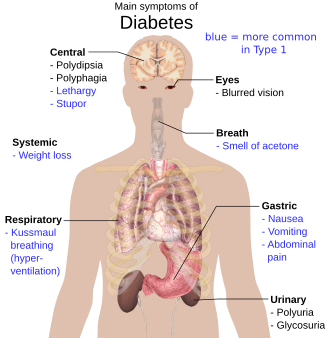
Hyperglycemia can affect people of all ages and presents various symptoms, including excessive thirst, hunger, fatigue, and an increased need to urinate.
High blood sugar can lead to severe complications, such as heart disease, eye damage, and kidney problems if left untreated for extended periods.
Managing blood sugar levels is crucial for preventing these complications and maintaining overall health in individuals with diabetes. Proper monitoring of glucose levels, adherence to medication regimens, and maintaining a balanced diet and exercise routine can help minimize the risks associated with hyperglycemia.
Regular medical check-ups and working closely with healthcare professionals are also essential for detecting any early signs of complications and adjusting treatment plans as needed.
In conclusion, understanding the risks of high blood sugar and taking proactive measures to manage it are essential aspects of diabetes care.
By staying informed about hyperglycemia and its potential complications, individuals with diabetes can lead healthier and more fulfilling lives.
The risks of low blood sugar
Low blood sugar, or hypoglycemia, is another significant health concern for individuals with diabetes. Hypoglycemia occurs when blood sugar levels drop too low, leading to various symptoms and potential complications. It is essential to recognize the early signs of low blood sugar and respond appropriately to minimize the risks associated with hypoglycemia.
As hypoglycemia worsens, symptoms can include confusion, unusual behavior, loss of coordination, slurred speech, blurry vision, and nightmares if asleep. Severe hypoglycemia may result in unresponsiveness, loss of consciousness, or seizures. It is crucial to see a doctor if these symptoms are experienced.
Low blood sugar can worsen over time, leading to more severe symptoms such as feeling weak, having difficulty walking or seeing clearly, acting strangely, or experiencing confusion. Blood sugar below 54 mg/dL is considered severe. It may cause fainting [low blood sugar].
Some common causes of low blood sugar include missing a meal, taking too much insulin or other diabetes medications, exercising more than usual, and consuming alcohol. Recognizing the early symptoms of hypoglycemia, such as shaking and sweating, is essential for prompt intervention and management of this potentially dangerous condition.
In conclusion, understanding the risks of low blood sugar and taking proactive measures to manage it are essential aspects of diabetes care.
By staying informed about hypoglycemia and its potential complications, individuals with diabetes can lead healthier and more fulfilling lives.
Tips for managing blood sugar levels
Including medication adherence, regular glucose monitoring, and lifestyle modifications If prescribed insulin or other diabetes medications, take them as directed to keep your blood sugar levels within the target range.
Regular glucose monitoring: Keep track of your blood sugar levels by checking them regularly. If your blood sugar is lower than 70 mg/dL, take immediate action, such as consuming glucose tablets, drinking fruit juice or regular soda, or eating hard candy. Then, wait 15 minutes and check your blood sugar again [manage blood sugar].
Healthy diet: Follow a meal plan that helps you manage your blood glucose, blood pressure, and cholesterol levels. Includes fruits, vegetables, beans, whole grains, lean meats, and low-fat dairy products. Opt for water instead of sugar-sweetened beverages [manage diabetes].
Physical activity: Engage in regular physical activity, such as walking, swimming, or cycling, to help maintain blood sugar levels within the target range. Consult your healthcare provider to determine the appropriate exercise routine for your needs.
Stress management: Stress can have a significant impact on blood sugar levels. Practice stress-reduction techniques, such as deep breathing, meditation, or yoga, to help maintain stable blood sugar levels.
Stay hydrated: Drinking enough water can help regulate blood sugar levels, as dehydration can affect them. Make sure to consume adequate fluids throughout the day.
Regular check-ups: Schedule regular appointments with your healthcare provider to monitor your diabetes management and adjust your treatment plan as needed.
Regular glucose monitoring: Keep track of your blood sugar levels by checking them regularly. If your blood sugar is lower than 70 mg/dL, take immediate action, such as consuming glucose tablets, drinking fruit juice or regular soda, or eating hard candy. Then, wait 15 minutes and check your blood sugar again [manage blood sugar].
Healthy diet: Follow a meal plan that helps you manage your blood glucose, blood pressure, and cholesterol levels. Includes fruits, vegetables, beans, whole grains, lean meats, and low-fat dairy products. Opt for water instead of sugar-sweetened beverages [manage diabetes].
Physical activity: Engage in regular physical activity, such as walking, swimming, or cycling, to help maintain blood sugar levels within the target range. Consult your healthcare provider to determine the appropriate exercise routine for your needs.
Stress management: Stress can have a significant impact on blood sugar levels. Practice stress-reduction techniques, such as deep breathing, meditation, or yoga, to help maintain stable blood sugar levels.
Stay hydrated: Drinking enough water can help regulate blood sugar levels, as dehydration can affect them. Make sure to consume adequate fluids throughout the day.
Regular check-ups: Schedule regular appointments with your healthcare provider to monitor your diabetes management and adjust your treatment plan as needed.
By adhering to medications, monitoring blood sugar levels, and making lifestyle modifications, you can effectively manage your diabetes and minimize the risk of complications.